

Interior lighting has evolved far beyond mere functionality, becoming a defining element of spatial aesthetics and emotional atmosphere. Among the most captivating contemporary designs is the Chic Arched Glass Lampshade Floor Light, a piece that marries sculptural form with gentle, diffused illumination. This article explores the design philosophy, material craftsmanship, and practical applications of this elegant lighting archetype, offering insights for homeowners, interior designers, and architects. From the physics of light diffusion through textured glass to the strategic placement in various room layouts, every aspect is examined to reveal why this fixture has become a modern classic. The discussion also covers maintenance, technological enhancements, and the subtle interplay between ambient, task, and accent lighting that this floor light masterfully achieves. By the end, readers will understand not only the functional benefits but also the profound impact such a lighting element can have on the character of a space.
- 1. The Rise of Sculptural Lighting in Modern Interiors
- 2. Understanding the Arched Silhouette and Its Visual Impact
- 3. Glass Lampshade Craftsmanship: Transparency and Texture
- 4. Light Distribution and Ambient Enhancement
- 5. Material Synergy: Metal, Glass, and Finish
- 6. Versatility in Residential and Commercial Spaces
- 7. Placement Strategies for Maximum Effect
- 8. Maintenance and Care for Glass Lampshades
- 9. Technological Integrations: Dimming and Smart Controls
- 10. Conclusion
1. The Rise of Sculptural Lighting in Modern Interiors
In recent years, the paradigm of interior lighting has shifted from utilitarian necessity to expressive art. Designers and homeowners alike now seek fixtures that serve as visual anchors, contributing to the narrative of a room. The Chic Arched Glass Lampshade Floor Light exemplifies this trend, blending an elegant silhouette with the timeless allure of glass. This piece does not simply illuminate; it sculpts light, casting soft, enveloping glows that transform the perception of space.
Historically, floor lamps were relegated to corners as secondary light sources. Today, however, they command attention as central design elements. The arched form, often reaching over seating areas or dining tables, creates a sense of intimacy and drama. The use of glass for the lampshade adds a layer of refinement, allowing the bulb's warmth to filter through subtly textured surfaces, reducing glare while enhancing visual comfort.
This evolution reflects a broader cultural appreciation for craftsmanship and authenticity. Consumers increasingly value objects that tell a story, and a hand-blown glass shade or a meticulously bent metal arc carries a narrative of skill and artistry. The floor light, in its modern interpretation, bridges the gap between industrial precision and organic beauty, making it a versatile choice for eclectic, minimalist, and even classical interiors.
Furthermore, the rise of open-plan living has amplified the need for flexible lighting solutions. A single arched floor lamp can define a reading nook within a larger living area or add warmth to a dining space without the need for ceiling fixtures. This adaptability positions the Chic Arched Glass Lampshade Floor Light as not just a decorative object but a functional tool for spatial zoning.
As we delve deeper, we will explore the specific design principles that make this lamp so compelling, the material choices that ensure durability and beauty, and the practical considerations that determine its successful integration into any environment.
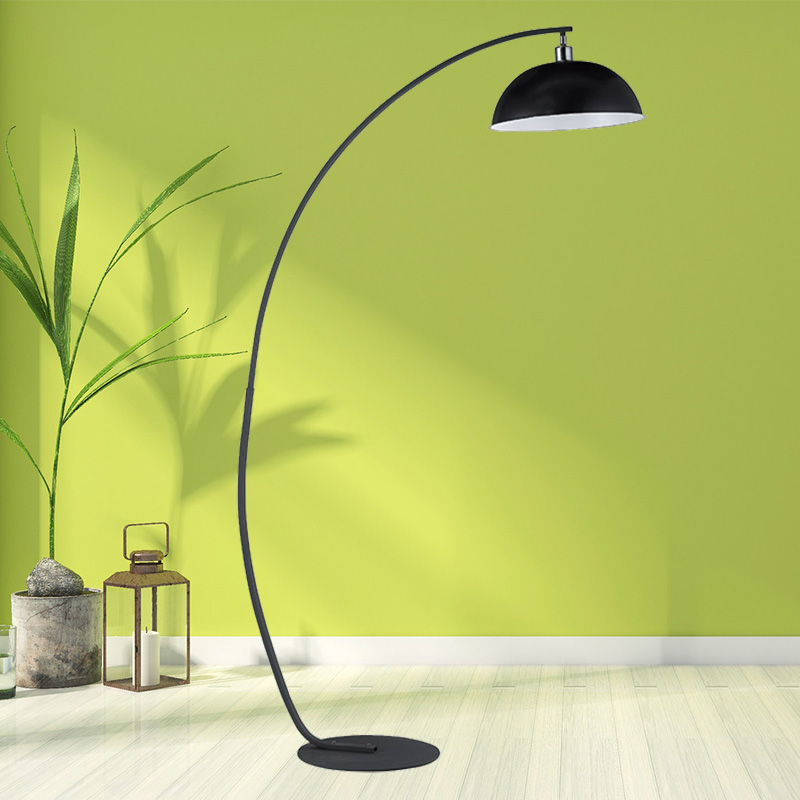
2. Understanding the Arched Silhouette and Its Visual Impact
The defining characteristic of this lighting style is its arched neck, which gracefully extends the light source over a desired area. This curvature is not merely aesthetic; it serves a functional purpose by directing light downward and inward, creating a focused pool of illumination while leaving the rest of the room in soft shadow. The arc also introduces a dynamic, flowing line that contrasts with the rigid geometry of furniture and walls.
Visual Balance
The sweeping curve counterbalances the verticality of the floor lamp's stem, producing a pleasing asymmetry that draws the eye. In rooms with low ceilings, an arched lamp can visually elevate the space, while in high-ceilinged rooms, it provides a comfortable middle-ground visual anchor.
Human-Centric Design
The arch mimics natural gestures of embrace or shelter, evoking a subconscious sense of comfort. When positioned beside a sofa or armchair, it creates a dedicated zone for relaxation, making the lamp an integral part of the seating arrangement rather than an afterthought.
Manufacturers have experimented with varying degrees of curvature, from gentle sweeps to dramatic loops. The optimal radius depends on the intended purpose: a tighter arc works well for task lighting, while a broader sweep suits ambient illumination. The Chic Arched Glass Lampshade Floor Light typically features a balanced curve that accommodates both functions, offering flexibility for different room layouts.
The base and stem also contribute to the overall visual impact. Heavy, sculpted bases provide stability and ground the design, while slender, minimalist stems allow the shade to appear to float. The choice of finish—be it polished brass, matte black, brushed nickel, or powder-coated steel—can dramatically alter the mood, from vintage glamour to industrial cool. This versatility ensures that the arched floor lamp can harmonize with virtually any color scheme or design ethos.
3. Glass Lampshade Craftsmanship: Transparency and Texture
At the heart of this lighting fixture lies the glass lampshade, a component that demands close attention. Glass is chosen not only for its beauty but also for its ability to modulate light in ways that plastic or metal cannot. A well-crafted glass shade can diffuse harsh glare, soften shadows, and create a warm, inviting glow.
| Glass Type | Light Diffusion | Aesthetic Effect |
|---|---|---|
| Clear Transparent | Minimal diffusion, bright focal point | Crisp, modern, lets bulb design shine |
| Opal Frosted | Even, soft diffused light | Gentle, calming, suitable for bedrooms |
| Ribbed or Seeded | Patterned diffusion with sparkle | Vintage, artisanal, adds texture |
| Colored Tinted | Filters light with hue, warm or cool | Statement piece, dramatic effect |
Hand-blown glass shades are particularly prized for their unique character. Each piece carries subtle variations in thickness and texture, making every lamp one of a kind. Machine-made shades offer consistency and affordability, but they lack the organic charm of artisanal production. For the discerning buyer, the choice often reflects a balance between budget and the desire for individuality.
The thickness of the glass directly influences light transmission. Thicker glass diffuses more, resulting in a softer, more ambient glow. Conversely, thinner glass allows for brighter, more directed beams. Many modern designs incorporate a combination: a clear inner layer with a textured outer layer, achieving both brightness and diffusion. The Chic Arched Glass Lampshade Floor Light often employs such dual-layer techniques, optimizing light quality while maintaining an elegant appearance.
In addition to aesthetics, glass offers practical benefits: it is non-flammable, easy to clean, and resistant to yellowing over time. Unlike plastic shades that can degrade with heat, glass maintains its clarity and color for decades, ensuring the lamp remains a timeless addition to any interior.
4. Light Distribution and Ambient Enhancement
Beyond its visual appeal, the primary function of any light source is illumination. The arched glass lampshade floor light excels in creating a layered lighting scheme that enhances both functionality and mood. By directing light downward, it reduces eye strain for reading or close work, while the upward scatter from the glass adds a gentle fill light that balances the room's overall brightness.
The height of the arch is a critical factor. A shade positioned at eye level may cause glare, whereas one slightly above eye level offers comfortable illumination without direct exposure. The ideal height varies based on the user's seating position and the lamp's intended use. Many designs incorporate adjustable arms or rotating shades, allowing users to fine-tune the light direction.
Light color temperature also plays a pivotal role. The glass shade can subtly warm or cool the light emitted from the bulb. A frosted or opal shade tends to produce a neutral to warm light, while clear glass allows the bulb's true color to emerge. Pairing the lamp with dimmable LED bulbs further expands its versatility, enabling the user to transition from bright task lighting to soft ambient glow with a simple touch.
When used in conjunction with other light sources—such as recessed ceiling lights, wall sconces, or table lamps—the arched floor lamp can fill the middle layer of illumination, adding depth and dimension to the room. This multi-layer approach is the hallmark of professional lighting design, and the arched glass floor lamp is an ideal tool for achieving it.
In spaces with high ceilings, the upward-facing portion of the shade can reflect light off the ceiling, indirectly illuminating the entire room. This technique, known as indirect lighting, reduces harsh shadows and creates a more inviting atmosphere. The glass shade's translucency ensures that this indirect light is soft and evenly distributed.
5. Material Synergy: Metal, Glass, and Finish
The harmonious combination of materials elevates the Chic Arched Glass Lampshade Floor Light from a mere functional object to a piece of art. The metal frame provides structural integrity, while the glass offers visual delicacy. The interplay between these materials defines the lamp's character.
Metal Finishes
- Brass: adds warmth and a vintage feel
- Chrome: sleek and contemporary
- Matte Black: dramatic and minimalist
- Powder-coated colors: customizable to any palette
Glass Treatments
- Etched: frosted appearance for privacy
- Enameled: solid color, opaque or semi-opaque
- Layered: multiple glass layers for depth
- Textured patterns: floral, geometric, or abstract
The base of the lamp is equally important. A heavy marble or metal base ensures stability, preventing tipping even when the arm is fully extended. Some designs incorporate a foot switch or dimmer on the base for convenient control. The cable, often covered in fabric or braided material, adds a tactile element that complements the overall aesthetic.
Attention to detail—such as seamless welding, smooth glass edges, and secure fittings—distinguishes high-quality products from mass-produced alternatives. For those who appreciate craftsmanship, the material synergy in a well-made arched glass floor light offers a daily reminder of thoughtful design.
6. Versatility in Residential and Commercial Spaces
One of the greatest strengths of this lighting fixture is its adaptability across different environments. In residential settings, it serves as a reading light beside a sofa, a statement piece in a living room, or a decorative accent in a bedroom corner. Its height and reach make it particularly suitable for overhanging coffee tables or dining areas, where it can replace pendant lights and create an intimate dining experience.
In commercial spaces, such as hotels, boutiques, and restaurants, the arched glass floor light adds a touch of sophistication and warmth. It can define seating areas, highlight merchandise, or simply contribute to the overall ambiance. The non-permanent nature of floor lamps allows businesses to reconfigure layouts without electrical work, making them a flexible choice for dynamic environments.
Designers often use these lamps to create visual rhythm in long corridors or to anchor open-plan offices. The glass shade helps to reduce harsh overhead lighting, reducing eye strain and promoting a calm, productive atmosphere. In waiting areas, the soft glow can ease anxiety, making the lamp a subtle tool for hospitality design.
The ability to choose from various sizes, colors, and finishes means that the same fundamental design can be adapted to fit a farmhouse-style kitchen, a mid-century modern office, or an ultra-contemporary penthouse. This versatility is a key reason for its enduring popularity among interior professionals.
7. Placement Strategies for Maximum Effect
Strategic placement transforms the arched glass floor light from a simple lamp to a compositional centerpiece. The following guidelines help optimize its impact in any room.
Scale and Proportion
Ensure the lamp's height and arc complement the surrounding furniture. A tall, wide arch works best in spacious rooms, while a more compact design suits smaller areas. The lampshade should hover at a comfortable height—typically 60 to 80 inches from the floor—when positioned near seating.
Focal Point Creation
Place the lamp to draw attention to a specific area, such as an armchair, a side table, or a piece of art. The arc naturally directs the eye, making it an effective tool for highlighting design features.
Traffic Flow Consideration
Avoid placing the lamp in high-traffic pathways where it could be knocked over. Position it behind furniture or in corners where it is visible but not obstructive.
Layering with Other Lights
Combine with floor-level uplights, table lamps, or wall sconces to create a rich lighting scheme. The arched lamp should serve as a middle-level light source, bridging the gap between task and ambient lighting.
In bedrooms, position the lamp beside a reading chair or behind a headboard for a soft halo effect. In living rooms, place it at the end of a sofa to create a cozy reading nook. In dining rooms, center it over the table to replace a chandelier for a more casual vibe. Experimentation is encouraged, as the lamp's flexibility allows for creative configurations.
8. Maintenance and Care for Glass Lampshades
To preserve the beauty and performance of a Chic Arched Glass Lampshade Floor Light, regular maintenance is essential. Glass, while durable, can accumulate dust, fingerprints, and smudges over time. The following practices ensure lasting clarity and shine.
Cleaning the Glass
- Use a soft, lint-free cloth dampened with mild soapy water
- Avoid abrasive cleaners or scouring pads to prevent scratches
- Dry thoroughly with a clean microfiber cloth to avoid water spots
- For textured glass, use a soft-bristled brush to remove dust from crevices
Metal Frame Care
- Wipe with a dry cloth to remove dust
- For tarnished brass, use a specialized brass cleaner
- Matte finishes can be cleaned with a damp cloth and mild detergent
- Check for loose screws or fittings periodically
When replacing bulbs, always ensure the lamp is unplugged. Use the recommended wattage and type (often LED for energy efficiency and low heat output). Avoid touching the glass with bare hands after cleaning, as oils from skin can leave marks; handle by the metal stem or use cotton gloves.
For lamps with a floor switch or dimmer, occasional inspection of the wiring and connections ensures safety. If the lamp is used outdoors or in humid environments, select a model with appropriate IP ratings and rust-proof finishes.
9. Technological Integrations: Dimming and Smart Controls
Modern interior lighting increasingly incorporates smart technology, and the arched glass floor lamp is no exception. Integration with dimmers, remote controls, and smart home systems enhances both convenience and energy efficiency.
Dimmable LED bulbs allow users to adjust the brightness from a warm, low-level glow for movie nights to a bright, focused beam for reading. Many lamps now include inline dimmer switches or are compatible with wall dimmers, provided the bulb is dimmable. For full smart integration, bulbs that connect to Wi-Fi or Bluetooth enable voice control via assistants like Amazon Alexa or Google Home.
Some advanced models feature color-tunable technology, allowing the user to shift from warm white to cool daylight, or even to colored lighting for mood enhancement. While the classic arched glass lamp tends to favor warm tones, the option for tunable white ensures adaptability to different activities and times of day.
Automation can be programmed to simulate natural daylight patterns, gradually brightening in the morning and dimming in the evening to support circadian rhythms. This not only improves well-being but also reduces energy consumption by ensuring lights are only on when needed. The Chic Arched Glass Lampshade Floor Light with smart capabilities thus becomes a cornerstone of a truly intelligent home.
While the initial investment may be higher, the long-term benefits in convenience, energy savings, and user experience make smart-enabled models increasingly popular among tech-savvy consumers.
10. Conclusion
The Chic Arched Glass Lampshade Floor Light is far more than a source of illumination; it is a sculptural element that enriches the visual and emotional experience of a space. Its graceful form, the interplay of glass and metal, and its ability to cast both direct and diffuse light make it an indispensable tool for interior designers and homeowners alike. Through careful consideration of materials, placement, and technological enhancements, this lamp can be tailored to suit any style and function.
Throughout this exploration, we have seen how the arched silhouette creates a sense of intimacy, how the glass shade modulates light to enhance comfort, and how the lamp's versatility allows it to transition seamlessly from residential havens to commercial settings. Maintenance is straightforward, and modern smart integrations ensure that it remains relevant in an increasingly connected world.
As lighting continues to evolve, the timeless appeal of glass and the elegance of the arch will likely endure. Investing in a quality arched glass floor light is not merely a purchase but a commitment to elevating everyday living. Whether placed beside a beloved armchair or anchoring a boutique display, this lamp stands as a testament to the power of thoughtful design.