
A Retro Table Lamp represents a deliberate return to classic lighting aesthetics while integrating the technical standards expected in contemporary living and working spaces. Rooted in mid-century and early industrial design language, this category of table lamp is characterized by balanced proportions, warm visual presence, and materials that age gracefully over time. Rather than following short-lived decorative movements, a retro table lamp is designed to coexist with evolving interior styles, from traditional residential settings to modern hospitality and commercial environments.
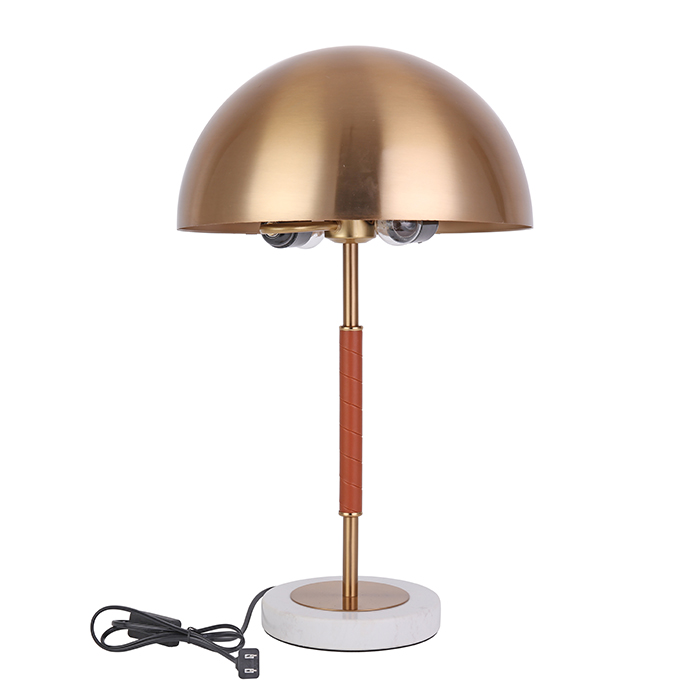
The central focus of this discussion is to examine how a Retro Table Lamp functions as a reliable, adaptable lighting solution through structure, specification, and usability. Emphasis is placed on measurable parameters, installation context, and long-term application value, ensuring that the product is evaluated from a practical and professional perspective rather than a purely decorative one. By understanding its construction and technical configuration, buyers, designers, and project planners can make informed decisions aligned with real-world usage.
Key Product Parameters
| Parameter | Specification |
|---|---|
| Lamp Type | Table-mounted ambient lighting |
| Primary Materials | Metal base with fabric or glass shade |
| Power Source | AC wired or integrated rechargeable option |
| Light Source Compatibility | E26 / E27 bulb base, LED compatible |
| Voltage Range | 110–240V, 50/60Hz |
| Switch Type | Inline switch or rotary base switch |
| Color Temperature Support | 2700K–4000K (bulb dependent) |
| Application Areas | Bedroom, living room, study, hospitality spaces |
These specifications illustrate a product designed to meet global electrical standards while maintaining a stable structural profile suitable for daily operation. The balance between material weight and footprint ensures surface stability, while standardized bulb compatibility allows for flexibility across regional markets.
A key consideration in table lamp selection is how effectively the fixture integrates into routine activities. A Retro Table Lamp is typically deployed in zones requiring controlled, localized illumination rather than high-output general lighting. Common placements include bedside tables, writing desks, console tables, and reception counters.
From a lighting distribution standpoint, the lamp shade geometry plays a central role. Fabric or frosted glass shades diffuse light evenly, reducing harsh glare and supporting extended usage periods such as evening reading or focused desk work. This makes the lamp suitable for environments where visual comfort is a priority.
In practical use, switch placement and cord length are equally significant. Inline switches offer intuitive access in residential applications, while base-mounted rotary switches are often preferred in hospitality or commercial settings due to durability and ease of maintenance. The lamp’s compatibility with LED bulbs further supports energy-efficient operation without altering its visual character.
Environmental adaptability is another factor. A Retro Table Lamp performs consistently across varied interior conditions, including low-light residential rooms and ambient-heavy commercial spaces. Its lighting role is complementary, enhancing spatial layers rather than overpowering them. This adaptability explains its frequent specification in interior design plans that prioritize longevity and consistency.
In professional interior planning, lighting fixtures are evaluated not only as standalone products but as elements within a broader spatial system. A Retro Table Lamp is often selected for its ability to bridge stylistic transitions. Its design language aligns well with wood, leather, stone, and matte metal finishes, making it compatible with diverse material palettes.
From a project implementation perspective, size proportion is critical. Table lamps within the retro category are typically scaled to maintain visual balance when placed alongside sofas, beds, or cabinetry. This proportional consistency reduces the need for custom adjustments during installation.
Another important consideration is maintenance and lifecycle management. Retro table lamps are generally constructed with replaceable components, including bulbs and switches, which simplifies long-term upkeep. This feature is particularly relevant for hotels, serviced apartments, and co-working spaces where operational continuity is essential.
Additionally, retro lighting fixtures often comply with international safety certifications, supporting cross-border procurement and standardized project execution. Designers and sourcing managers value this predictability, as it minimizes risk during installation and inspection phases.
Long-term value assessment extends beyond initial purchase cost. For a Retro Table Lamp, durability, adaptability, and supply consistency are central evaluation criteria. Metal lamp bodies resist deformation, while quality finishes maintain surface integrity over extended use. These characteristics contribute to a stable performance profile in both residential and commercial contexts.
Another aspect of value lies in adaptability to changing lighting technologies. As LED efficiency continues to improve, standardized bulb bases allow users to upgrade light sources without replacing the entire fixture. This forward-compatible approach supports sustainable consumption patterns and reduces replacement cycles.
From a market perspective, retro-style lighting maintains steady demand due to its non-seasonal design appeal. This consistency benefits distributors, retailers, and project contractors by reducing inventory risk. The lamp’s visual neutrality also allows it to remain relevant across different interior refresh cycles.
Common Questions About Retro Table Lamps
Q: How should a retro table lamp be positioned for optimal lighting?
A: Placement should align the bottom of the lampshade slightly below eye level when seated. This positioning minimizes glare while ensuring sufficient surface illumination for reading or task-oriented activities.
Q: Are retro table lamps suitable for LED bulbs without affecting appearance?
A: Yes. When paired with warm-color-temperature LED bulbs, the visual output closely matches traditional incandescent lighting while offering improved energy efficiency and longer service life.
A Retro Table Lamp remains a dependable lighting solution for environments that value consistency, balance, and enduring design relevance. Through standardized specifications, adaptable installation options, and stable performance characteristics, it continues to serve as a practical component in both private and professional spaces. Its ability to integrate into varied interiors without requiring frequent replacement supports long-term planning and cost control.
Utiime focuses on delivering retro table lamp solutions that align with international quality expectations and real-world application needs. Each product is developed with attention to structural reliability, material selection, and global usability standards. For detailed specifications, customization options, or project-based inquiries, interested parties are encouraged to contact us directly to discuss requirements and explore suitable solutions.